Career Insurance: The 'Break-Glass' Resume You Build While You Still Have a Job

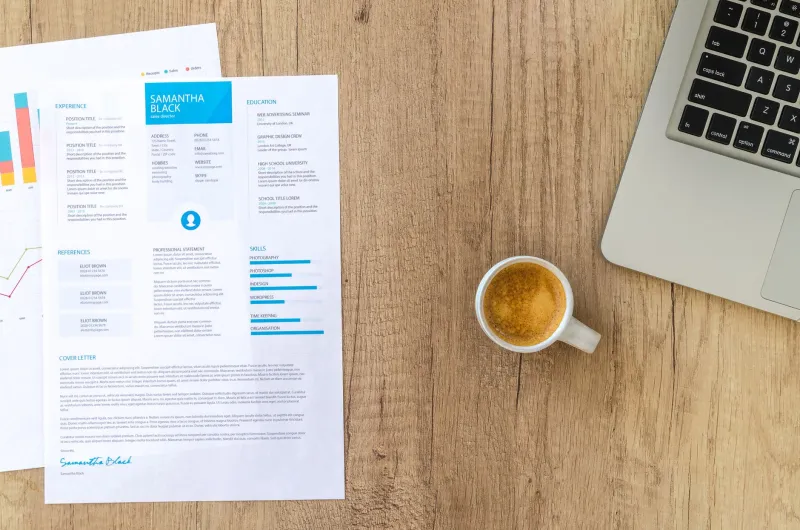
Photo: Shixart1985, CC BY 2.0, via Wikimedia Commons
Here's an uncomfortable truth: the resume you'd send out tomorrow, if you had to, is probably a mess. It's the file you last touched during your job hunt three years ago. It lists a role you've outgrown, buzzwords that have aged like milk, and a phone number you might not even have anymore.
Most employed people treat their resume like a smoke detector with the batteries taken out. It only matters when something's already on fire. By then, you're updating it at 11 p.m., stressed, rushed, and underselling yourself — exactly when you can least afford to.
The fix is what I call a break-glass resume: a current, recruiter-ready document you maintain quietly while safely employed. Think of it as career insurance. You hope you never file a claim, but you'll be grateful it exists when you do.
Why 'Comfortable' Is the Most Dangerous Time to Go Dark
Layoffs don't check your calendar. Neither do reorganizations, bad acquisitions, or a new manager who decides the department needs 'reshaping.' The average tenure at a US company keeps shrinking, and even people who plan to stay put get plans made for them.
But there's a second reason to stay ready: opportunity doesn't wait for unemployment either. Recruiters reach out on LinkedIn on Tuesday afternoons. A former colleague texts about an opening that closes Friday. If your profile is stale, those windows shut before you can pry them open. The difference between 'sure, let's talk' and 'sorry, I missed it' is often just having your materials ready to go.
Mine Your Performance Review — It's Already Written For You
The biggest objection to annual resume maintenance is 'I don't remember what I did all year.' You don't have to. Your company already documented it.
Once a year — ideally right after your performance review, while everything's fresh — pull it open and extract the raw material:
- Metrics and wins. That 'exceeded targets' line? Turn it into a bullet: 'Delivered 118% of quota, driving $1.2M in new pipeline revenue.'
- Projects with names and outcomes. Reviews are full of initiative language ('led the migration to...') that translates directly into resume bullets.
- New responsibilities. If you quietly absorbed someone's duties after a reorg, that's a title upgrade your resume should reflect before your LinkedIn does.
- Praise in writing. Forward that email from the VP saying you saved the client relationship. Future you will send present you a thank-you note.
Fifteen minutes of copy-paste-and-polish once a year. That's the entire maintenance cost of this insurance policy.
The January Keyword Refresh
Every January, do one more pass: update your keywords. Job postings in your field evolve, and ATS software doesn't care how good you are if the terms don't match.
Pull five current job postings for roles you'd want next. Note the repeated skills, tools, and certifications. If you have them, work them into your resume naturally. If you don't, congratulations — you just got a free skills-gap audit while you still have time and (possibly) a training budget to close it.
This is also when you should refresh your LinkedIn headline and About section. Recruiters search keywords there too, and 'open to opportunities' settings aside, an updated profile is what keeps you in those search results.
Staying Ready Without Waving a White Flag
The fear that stops most people: won't updating my resume signal I'm leaving?
No — because nobody sees your resume except you. Updating a private document is not a resignable offense. A few ground rules for keeping it quiet:
- Never touch your resume on a work device or work Wi-Fi. Use your personal laptop and personal email. Your company can (and sometimes does) monitor both.
- Skip the 'open to work' banner if you're employed. Instead, use LinkedIn's recruiter-only visibility setting, which hides your status from your current employer.
- Take recruiter calls on your own time. Lunch breaks, commutes, after hours. If it turns into something serious, you'll want the discretion anyway.
- Don't announce your document updates. A resume living in your personal Google Drive is nobody's business but yours.
Updating a file once a year is maintenance. Updating it at midnight after a rough all-hands is panic. Only one of those gets you a good result.
The 48-Hour Standard
Here's the bar to clear: if a great opportunity landed in your inbox on a Monday morning, could you have a tailored application out the door by Wednesday? That's the 48-hour standard, and it requires exactly three things:
- A current master resume — every role, metric, and skill up to date, from which you trim tailored versions.
- A live professional profile — LinkedIn current enough that a recruiter's read of it matches your resume.
- A quiet reference list — two or three former colleagues or managers who'd take your call, confirmed before you need them.
Once a year, test yourself against that standard. If you pass, close the file and go back to your life. If you don't, you now know exactly what to fix — while your paycheck is still landing.
The Policy You'll Be Glad You Bought
Nobody buys car insurance hoping to crash. Nobody builds a break-glass resume hoping to get laid off. But the people who land on their feet fastest after a surprise aren't the ones who update fastest under pressure — they're the ones who never had to update at all.
Put a recurring calendar reminder on your desk right now: first week of January, 30 minutes, refresh the resume. Your future self — the one reading a layoff notice, or a recruiter's dream offer — is the one who cashes that check.